Author: Konstantinos Poulas

  • Έξτρα παρθένο ελαιόλαδο – Πολύ περισσότερο από ένα έλαιο που στηρίζει την υγεία

    Έξτρα παρθένο ελαιόλαδο – Πολύ περισσότερο από ένα έλαιο που στηρίζει την υγεία

    Οι ευεργετικές επιδράσεις της μεσογειακής διατροφής στην ανθρώπινη υγεία και, ειδικότερα, στη μείωση του κινδύνου καρδιαγγειακών παθήσεων, έχουν αποδοθεί κυρίως στην υψηλή περιεκτικότητά της σε εξαιρετικό παρθένο ελαιόλαδο (EVOO). Ενώ το κύριο λιπαρό του οξύ, το ελαϊκό οξύ, θεωρείται σημαντικό για αυτά τα αποτελέσματα, το EVOO έχει άλλες βιολογικές ιδιότητες που εξαρτώνται ή ενισχύονται από άλλα δευτερεύοντα συστατικά αυτού του ελαίου. Αρχικά, οι μηχανισμοί που θεωρήθηκαν ως πιθανές αιτίες αυτής της καρδιοπροστατευτικής δράσης του EVOO βασίστηκαν στη συχνότητα εμφάνισης των αποκαλούμενων παραδοσιακών παραγόντων κινδύνου (ιδιαίτερα των λιπιδίων και της αρτηριακής πίεσης). Ωστόσο, η υψηλή σχετική μείωση του επιπολασμού της καρδιαγγειακής νοσηρότητας και θνησιμότητας δεν ήταν ανάλογη με τα περιορισμένα ευρήματα σχετικά με τη ρύθμιση αυτών των παραδοσιακών παραγόντων κινδύνου. Εκτός από αρκετές μελέτες που επιβεβαιώνουν τα παραπάνω αποτελέσματα, η τρέχουσα έρευνα για την ευεργετική επίδραση του EVOO, και ιδιαίτερα σε συνδυασμό με τις μεσογειακές δίαιτες, επικεντρώνεται στον καθορισμό των επιπτώσεών του σε νεότερους καρδιαγγειακούς παράγοντες κινδύνου, όπως φλεγμονή, οξειδωτικό στρες, πήξη. συσσώρευση αιμοπεταλίων, ινωδόλυση, ενδοθηλιακή λειτουργία ή λιπίδια ή στη ρύθμιση των καταστάσεων που προδιαθέτουν τα άτομα σε καρδιαγγειακά συμβάντα, όπως παχυσαρκία, μεταβολικό σύνδρομο ή σακχαρώδη διαβήτη τύπου 2. Στην τρέχουσα ανασκόπηση, θα επικεντρωθούμε κυρίως στην ανασκόπηση των τρεχόντων στοιχείων σχετικά με τις επιδράσεις που ασκεί το EVOO σε εναλλακτικούς παράγοντες, συμπεριλαμβανομένης της μεταγευματικής λιπαιμίας ή της πήξης, μεταξύ άλλων, συζητώντας τον υποκείμενο μηχανισμό με τον οποίο ασκεί την επίδρασή του, καθώς και παρέχοντας μια σύντομη επανεξέταση μελλοντικών κατευθύνσεων.

    More: Yubero-Serrano EM, Lopez-Moreno J, Gomez-Delgado F, Lopez-Miranda J. Extra virgin olive oil: More than a healthy fat. Eur J Clin Nutr. 2019 Jul;72(Suppl 1):8-17. doi: 10.1038/s41430-018-0304-x. PMID: 30487558.
  • Polyphenols, saponins, alkaloids, and polysaccharides, are classified as antiaging compounds

    Polyphenols, saponins, alkaloids, and polysaccharides, are classified as antiaging compounds

    Aging is an inevitable process influenced by genetics, lifestyles, and environments. With the rapid social and economic development in recent decades, the proportion of the elderly has increased rapidly worldwide, and many aging-related diseases have shown an upward trend, including nervous system diseases, cardiovascular diseases, metabolic diseases, and cancer. The rising burden of aging-related diseases has become an urgent global health challenge and requires immediate attention and solutions. Natural products have been used for a long time to treat various human diseases. The primary cellular pathways that mediate the longevity-extending effects of natural products involve nutrient-sensing pathways. Among them, the sirtuin, AMP-activated protein kinase, mammalian target of rapamycin, p53, and insulin/insulin-like growth factor-1 signaling pathways are most widely studied. Several studies have reviewed the effects of individual natural compounds on aging and aging-related diseases along with the underlying mechanisms. Natural products from food sources, such as polyphenols, saponins, alkaloids, and polysaccharides, are classified as antiaging compounds that promote health and prolong life via various mechanisms. In this article, we have reviewed several recently identified natural products with potential antiaging properties and have highlighted their cellular and molecular mechanisms. The discovery and use of dietary supplements and natural products that can prevent and treat multiple aging-related diseases in humans will be beneficial. Thus, this review provides theoretical background for existing dietary supplements and natural products as potential antiaging agents.

    More: https://www.ncbi.nlm.nih.gov/pmc/articles/PMC10333707/

  • Curcumin treatment significantly reduced SARS-CoV-2 RNA levels

    Curcumin treatment significantly reduced SARS-CoV-2 RNA levels

    Severe Acute Respiratory Syndrome Coronavirus Type 2 (SARS-CoV-2) is the causative agent of the coronavirus disease 2019 (COVID-19). The availability of effective and well-tolerated antiviral drugs for the treatment of COVID-19 patients is still very limited. Traditional herbal medicines elicit antiviral activity against various viruses and might therefore represent a promising option for the complementary treatment of COVID-19 patients. The application of turmeric root in herbal medicine has a very long history. Its bioactive ingredient curcumin shows a broad-spectrum antimicrobial activity. In the present study, we investigated the antiviral activity of aqueous turmeric root extract, the dissolved content of a curcumin-containing nutritional supplement capsule, and pure curcumin against SARS-CoV-2. Turmeric root extract, dissolved turmeric capsule content, and pure curcumin effectively neutralized SARS-CoV-2 at subtoxic concentrations in Vero E6 and human Calu-3 cells. Furthermore, curcumin treatment significantly reduced SARS-CoV-2 RNA levels in cell culture supernatants. Our data uncover curcumin as a promising compound for complementary COVID-19 treatment. Curcumin concentrations contained in turmeric root or capsules used as nutritional supplements completely neutralized SARS-CoV-2 in vitro. Our data argue in favor of appropriate and carefully monitored clinical studies that vigorously test the effectiveness of complementary treatment of COVID-19 patients with curcumin-containing products.

  • Τwo simple nutritional supplements may neutralize  SPIKE PROTEIN’s harmful properties

    Τwo simple nutritional supplements may neutralize SPIKE PROTEIN’s harmful properties

    Is it possible to mitigate the damaging effects of covid “vaccine” spike proteins through simple nutrition? A stpublished in the study published in journal Viruses seems to suggest so.Australian researchers looked at two common nutritional supplements – bromelain and acetylcysteine (BromAc) – that are capable of unfolding the structures that hold spike proteins together, effectively neutralizing them.

    Severe acute respiratory syndrome coronavirus, also known as SARS-CoV-2, is demarcated by a spike glycoprotein and envelope protein that contains disulfide bridges for stabilization. They bind to the ACE2 receptor in host cells present in the nasal mucosa, triggering infection.

    A BromAc treatment, the team found, is capable of “synergistic action against glycoproteins” in that the nutritional duo breaks apart the glycosidic linkages and disulfide bonds, reducing or even eliminating the ability of spike proteins to cause covid infection.

    These same spike proteins, just to clarify, are present inside all of the so-called “vaccines” currently available to the public. Some would argue that the only source of these spike proteins is the injections, and that covid itself does not exist since the alleged virus has never been isolated.

    “We sought to determine the effect of BromAc on the spike and envelope proteins and its potential to reduce infectivity in host cells,” the paper reads. “Recombinant spike and envelope SARS-CoV-2 proteins were disrupted by BromAc. Spike and envelope protein disulfide bonds were reduced by Acetylcysteine.”

    “In in vitro whole virus culture of both wild-type and spike mutants, SARS-CoV-2 demonstrated a concentration-dependent inactivation from BromAc treatment but not from single agents. Clinical testing through nasal administration in patients with early SARS-CoV-2 infection is imminent.”


    Is BromAc a natural solution for covid jab spike protein damage?

    While treatment with acetylcysteine alone did not show any alteration of spike proteins, a combination of acetylcysteine and bromelain, or BromAc, at 50 and 100 µg/20 mg/mL and 50 and 100µg/mL, respectively, resulted in significant protein alteration.

    “Treatment with Acetylcysteine on the envelope protein did not alter the protein, whereas treatment with Bromelain at 50 and 100 µg/mL and BromAc at 50 and 100µg/20 mg/mL also resulted in near complete and complete fragmentation, respectively,” the paper further explains.

    In other words, combining these two nutrients at the levels depicted in the study led to destabilization and unraveling of covid spike proteins, which is good news for everyone who got jabbed, as well as for those who may have had spike protein “shed” on them from a fully vaccinated person.

    Since the tests were conducted in vitro, or in a test tube, more study is needed to determine if the same results can be achieved in actual human subjects. Still, the results are “encouraging,” the researchers say, pointing to a natural solution for covid spike proteins that otherwise outsmart most other potential remedies.

    “There is currently no suitable therapeutic treatment for early SARS-CoV-2 aimed at preventing disease progression,” the authors note. “BromAc is under clinical development by the authors for mucinous cancers due to its ability to alter complex glycoprotein structures. The potential of BromAc on SARS-CoV-2 spike and envelope proteins stabilized by disul?de bonds was examined and found to induce the unfolding of recombinant spike and envelope proteins by reducing disul?de stabilizer bridges.”


    “BromAc also showed an inhibitory effect on wild-type and spike mutant SARS-CoV-2 by inactivation of its replication capacity in vitro. Hence, BromAc may be an effective therapeutic agent for early SARS-CoV-2 infection, despite mutations, and even have potential as a prophylactic in people at high risk of infection.”

    MORE: https://www.mdpi.com/1999-4915/13/3/425
  • Η πρωτεΐνη ακίδα και οι βλάβες που προκαλεί

    Η πρωτεΐνη ακίδα και οι βλάβες που προκαλεί

    Από τότε που η πανδημία Covid-19 σάρωσε τον κόσμο πριν από περισσότερα από δύο χρόνια, περισσότεροι από 4,5 δισεκατομμύρια άνθρωποι παγκοσμίως έχουν εμβολιαστεί πλήρως. Τώρα, όλο και περισσότεροι άνθρωποι ανησυχούν για τις επιπτώσεις στο σώμα των πρωτεϊνών ακίδας, οι οποίες περιέχονται στα εμβόλια. Είναι πράγματι η πρωτεΐνη ακίδας η αιτία του μακροχρόνιου συνδρόμου Covid;

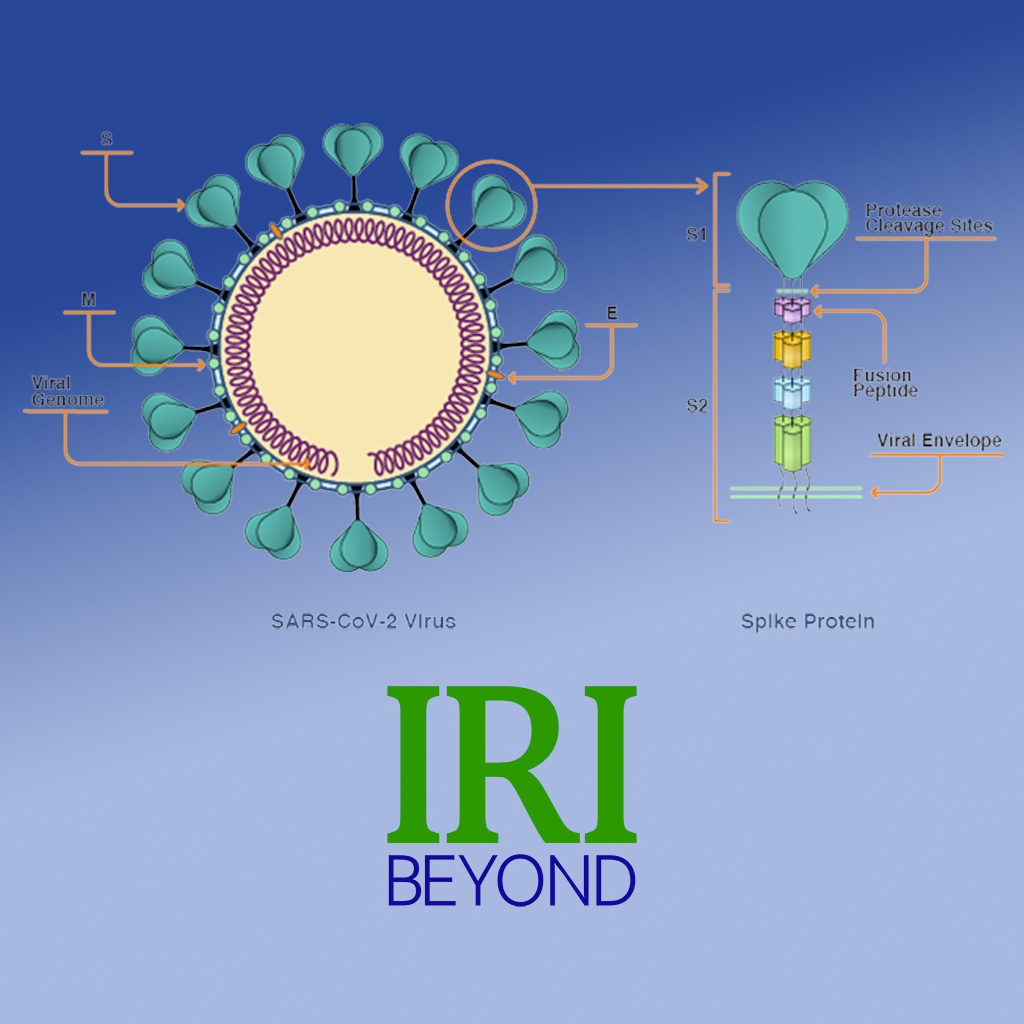
    Η πρωτεΐνη ακίδας, γνωστή και ως πρωτεΐνη S, είναι η μεγαλύτερη δομική πρωτεΐνη στον ιό SARS-CoV-2 που προκαλεί την Covid-19. Είναι μια μεγάλη δομή που προεξέχει από την επιφάνεια του ιού.

    Όταν η πανδημία άρχισε να εξαπλώνεται για πρώτη φορά, η κατανόηση της πρωτεΐνης ακίδας από τους ανθρώπους ήταν πολύ περιορισμένη. Θεωρήθηκε ότι η πρωτεΐνη ακίδας έπαιξε μόνο το ρόλο της σύνδεσης με τους υποδοχείς ACE2 (ένζυμο μετατροπής της αγγειοτενσίνης), βοηθώντας τον ιό να εισβάλει στα κύτταρα. Ωστόσο, οι επιστήμονες ανακάλυψαν σιγά σιγά ότι τα αποτελέσματα αυτής της πρωτεΐνης είναι πολύπλευρα και αλληλεπιδρά με άλλους κυτταρικούς ιστούς εκτός από τους υποδοχείς ACE2.

    8 τρόποι με τους οποίους η πρωτεΐνη ακίδα βλάπτει το σώμα

    Κατά τη διάρκεια των δύο και πλέον ετών της πανδημίας Covid-19, πολλές μελέτες έχουν αναλύσει την απειλή που θέτει η πρωτεΐνη ακίδας από διαφορετικές πλευρές και έχουν ανακαλύψει ότι είναι επιβλαβής για το ανθρώπινο σώμα με διάφορους τρόπους, όπως:

    1. Καταστροφή των πνευμονικών κυττάρων (συμπεριλαμβανομένων των πνευμονικών κυψελίδων και των πνευμονικών ενδοθηλιακών κυττάρων).
    2. Καταστροφή των μιτοχονδρίων και των δομών του DNA.
    3. Καταστρέφει τα καρδιαγγειακά κύτταρα.
    4. Αύξηση του κινδύνου θρόμβων αίματος.
    5. Καταστροφή των εγκεφαλικών κυττάρων.
    6. Προαγωγή της φλεγμονής.
    7. Καταστολή της ανοσίας.
    8. Αύξηση του κινδύνου καρκίνου
  • COVID-19 and food supplements

    COVID-19 and food supplements

    During the first year of the COVID-19 pandemic, the lack of cure and the intensity of the global spread raised a common awareness of health. The aim of this scoping review is to summarize dietary supplement use globally during first two years of the COVID-19 pandemic. A systematic search was conducted in December 2021 following PRISMA guidelines. PubMed, ERIC, and Scopus databases were searched, and 956 results were screened for eligibility. Fourteen cross-sectional studies from 11 countries and 3 continents were examined. All studies were large population surveys investigating healthy eating and supplement use during COVID-19. Vitamin C, vitamin D, zinc and multivitamins were the most widely reported, as well as natural/herbal products such as ginger and honey. The most common reason cited for supplements use was to strengthen immune system and to prevent infection of COVID-19. These studies reported that populations are relying on healthcare providers, family, friends, and social media to learn about supplement use. Future studies on the treatment of COVID-19 should include more evidence for supplement use.


    Arora, I.; White, S.; Mathews, R. Global Dietary and Herbal Supplement Use during COVID-19—A Scoping Review. Nutrients 202315, 771. https://doi.org/10.3390/nu15030771

  • COVID-19 and vitamins

    COVID-19 and vitamins

    The coronavirus disease 2019 (COVID-19) is a pandemic caused by coronavirus with mild to severe respiratory symptoms. This paper aimed to investigate the effect of nutrients on the immune system and their possible roles in the prevention, treatment, and management of COVID-19 in adults.

    This Systematic review was designed based on the guideline of the Preferred Reporting for Systematic Reviews (PRISMA). The articles that focussed on nutrition, immune system, viral infection, and coronaviruses were collected by searching databases for both published papers and accepted manuscripts from 1990 to 2020. Irrelevant papers and articles without English abstract were excluded from the review process.

    Some nutrients are actively involved in the proper functioning and strengthening of the human immune system against viral infections including dietary protein, omega-3 fatty acids, vitamin A, vitamin D, vitamin E, vitamin B1, vitamin B6, vitamin B12, vitamin C, iron, zinc, and selenium. Few studies were done on the effect of dietary components on prevention of COVID-19, but supplementation with these nutrients may be effective in improving the health status of patients with viral infections.

    Following a balanced diet and supplementation with proper nutrients may play a vital role in prevention, treatment, and management of COVID-19. However, further clinical trials are needed to confirm these findings and presenting the strong recommendations against this pandemic.


    https://www.tandfonline.com/doi/abs/10.1080/13813455.2020.1791188

  • COVID 19 risk and Vitamin B

    COVID 19 risk and Vitamin B

    The fast spread of the coronavirus disease 2019 (COVID-19) epidemic and its high mortality were quickly noticed by the health community. B vitamins are essential micronutrients for the body with antioxidant, anti-inflammatory and immune-regulating properties. The present study can provide a comprehensive picture of the associations between B vitamins and COVID-19 incidence. This study was undertaken on 9189 adult participants of the Yazd Health Study (YaHS) and Taghzieh Mardom-e-Yazd (TAMIZ) study aged 20 to 69 years. Data on dietary intakes were obtained using a validated FFQ. Multivariable logistic regression analysis was used to evaluate the association between B vitamins and COVID-19. Our findings indicated that participants in the fourth quartile of vitamin B5 intake compared with the first quartile had a protective effect against COVID-19 (OR: 0·53, 95 % CI 0·28, 0·99, P-trend = 0·02) after adjustment for all possible confounds in model 3. In addition, participants in the third quartile of vitamin B12 intake compared with the first quartile (OR: 0·63, 95 % CI 0·40, 0·98, P-trend = 0·11) had fewer odds of COVID-19 after full adjustments for confounders. Our findings indicated no significant relationship between dietary intake of vitamin B1, B2, B3, B9 and B-complex and COVID-19. A higher intake of vitamin B5 could reduce the odds of COVID-19 by 47 %, and a moderate intake of vitamin B12 had a protective effect on COVID-19. Although our study has promising results, stronger clinical studies are needed.

    Darand, M., Hassanizadeh, S., Martami, F., Shams, S., Mirzaei, M., & Hosseinzadeh, M. (2023). The association between B vitamins and the risk of COVID-19. British Journal of Nutrition, 130(1), 155-163. doi:10.1017/S0007114522003075